

Understanding Mat Assessments: Why They’re So Important
When it comes to seating and positioning, what happens before equipment is prescribed is just as important as the product itself. A mat assessment is one of the most valuable tools clinicians have to truly understand a person’s posture, movement, and support needs — yet it’s often misunderstood or underestimated.
So, what exactly is a mat assessment, and why is it so important?

What Is a Mat Assessment?
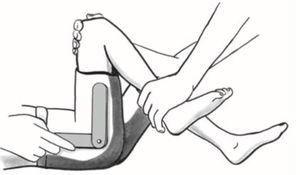
A mat assessment is a hands-on clinical assessment performed with an individual lying or sitting on a mat or plinth, rather than in their wheelchair or seating system.
By removing the influence of equipment, clinicians can:
-
Observe posture without external supports
-
Assess joint range, muscle tone, and flexibility
-
Identify fixed versus flexible postural components
-
Understand how gravity and positioning affect alignment
In short, it allows clinicians to see the person first, before considering the equipment.
Why Mat Assessments Matter
1. They Identify the Root Cause — Not Just the Symptoms
When someone is assessed only while seated in their wheelchair, it can be difficult to tell whether a posture is being caused by:
-
The person’s physical presentation, or
-
The way their current equipment is set up
A mat assessment helps separate these factors. This means clinicians can determine what can be corrected with equipment, and what needs to be accommodated or supported long-term.
2. They Lead to Better Seating Outcomes
A well-conducted mat assessment informs:
-
Cushion selection
-
Back support shape and height
-
Pelvic positioning strategies
-
Need for lateral, head, or trunk supports
This results in seating systems that are not only more comfortable, but also more functional, stable, and sustainable over time.
3. They Help Prevent Secondary Complications
Poor seating can contribute to:
-
Pressure injuries
-
Pain and discomfort
-
Fatigue
-
Reduced function and participation
By understanding posture and movement in a neutral, unsupported position, clinicians can prescribe equipment that reduces these risks and promotes healthier positioning.
4. They Support Clinical Justification
Mat assessments provide clear clinical reasoning that can support:
-
Funding applications
-
Equipment justification reports
-
Reviews and reassessments
Being able to clearly explain why a certain piece of equipment is required — based on observed physical presentation — strengthens clinical documentation and advocacy for the client.
5. They Put the Person at the Centre
Perhaps most importantly, mat assessments support a truly client-centred approach. They allow clinicians to:
-
Understand comfort preferences
-
Identify functional goals
-
Tailor solutions to the individual, not just the diagnosis
Every body is different — and mat assessments respect that.
When Should a Mat Assessment Be Considered?
Mat assessments are particularly valuable:
-
When prescribing new seating or mobility equipment
-
During growth or postural changes
-
When current seating is no longer meeting needs
-
If discomfort, fatigue, or skin issues are present
-
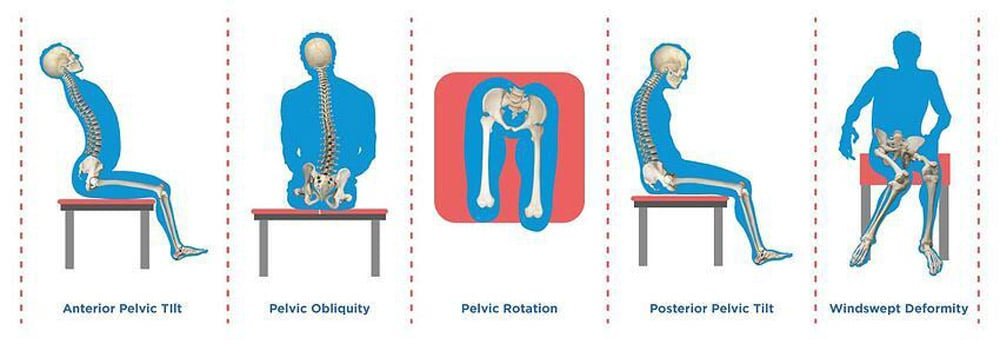
For complex postural presentations
They are not just for complex cases — they’re a proactive step toward better outcomes for many clients.
In Summary
Mat assessments are a critical foundation for effective seating and positioning. By taking the time to assess posture away from equipment, clinicians gain deeper insight, make more informed decisions, and ultimately provide better, safer, and more comfortable solutions.
Because the right equipment starts with the right assessment

How to Start the Year Strong: Goal-Setting for Clients and Clinicians

Why Completing the Client Detail Form Is Essential for a Successful Equipment Assessment

Top 2 Paediatric Wheelchairs for Active Young Users