
Slings
Buy/Rent
Categories
Brands
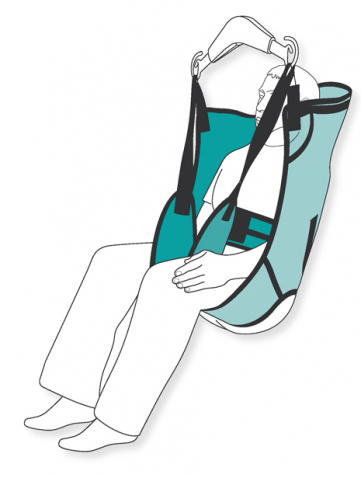
The provision of safe and dignified transport for people with reduced mobility is a fundamental aspect of quality care. Patient lifting slings are a critical part of any transfer solution, working in conjunction with ceiling and portable hoists to offer a safe support solution. Whether used in busy hospital environments, residential care facilities, or home care environments, patient slings help to eliminate the risk of injury to both the user and the caregiver.
At Active Rehab, we offer a high-quality range of patient hoist slings that are designed to make transitions between beds, chairs, and bathrooms easy, ensuring that every transfer is completed with maximum stability and comfort.
When choosing patient lifting slings, safety and ergonomics are of utmost importance. Our range, including the world-famous Allegro slings, is designed with strengthened attachment points and cushioned support zones to avoid skin shear and pressure sores. There are different head support designs to help patients with poor upper limb control, and all our products are marked with their Safe Working Load (SWL) to meet hospital requirements.
With quality patient transfer slings, healthcare professionals can undertake their daily chores with ease, knowing that the slings are designed for even weight distribution and reduced strain on the patient during lifting.
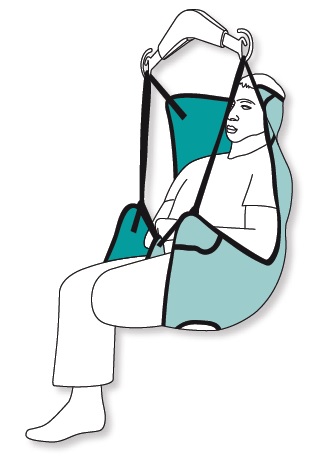
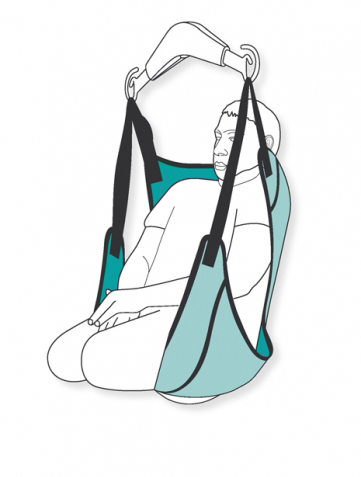
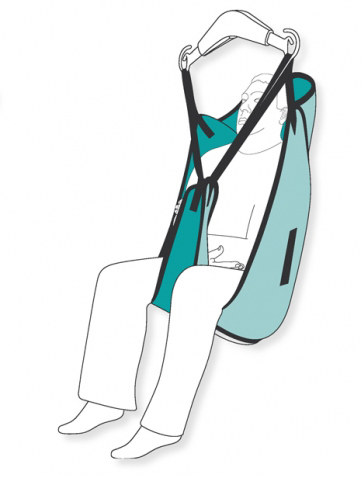
We offer a wide range of patient slings designed for specific medical needs:
Choosing the right sling for the patient hoist involves a careful evaluation of the mobility and physical requirements of the user. The most important considerations include the compatibility of the sling with the hoist (ensuring that the loops or clips are compatible with your brand of hoist), weight capacity (SWL), and the need for head and leg support.
It is also important to note that the material used in the sling can be an important consideration, with mesh materials being preferred for bathing purposes, as they provide more friction, while solid polyester is preferred for general transfers. In addition, as a poorly fitting sling can be a safety hazard, we would always recommend seeking advice from an Occupational Therapist or a mobility professional to ensure that the sling is the right size and type for the user.
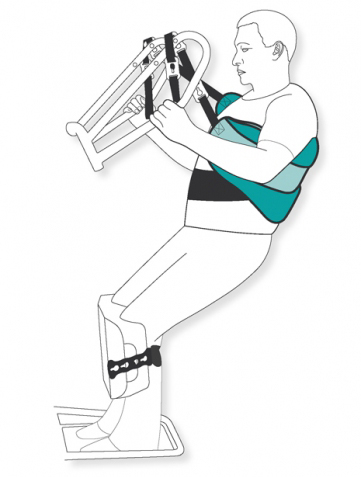
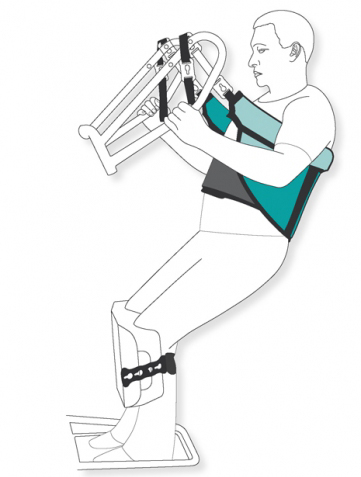
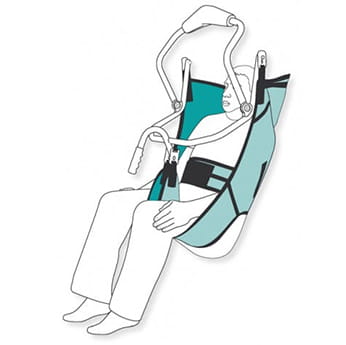
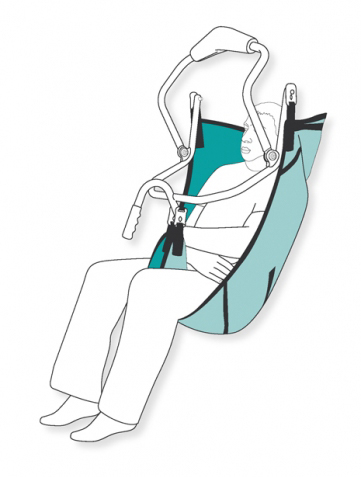
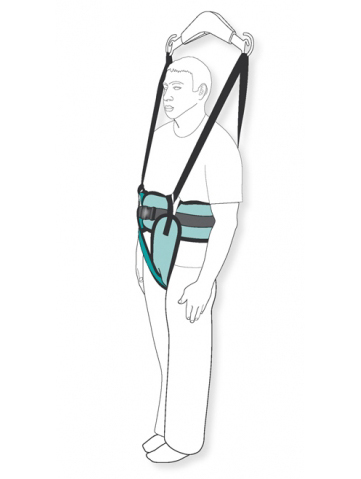
Patient transfer slings (such as pivot or hammock slings) are intended for total lifting, where the patient is completely suspended. Standing slings are used with stand-up hoists to help patients with some leg strength to stand up for patient transfers or gait training.
Sling sizes are determined by the patient's height, weight, and hip size. A sling that is too large can result in the patient slipping out of it, while a sling that is too small can be uncomfortable or cause skin pinching.
The Safe Working Load (SWL) is the maximum weight capacity a patient hoist sling can safely support. It is a legal requirement to ensure that the weight of the user does not exceed the SWL of both the sling and the hoist being used.
Yes, many patient transfer slings are designed specifically for home care. They allow families to provide high-quality care without the risk of back injury, provided they have received proper training on how to attach the sling to a domestic mobile hoist.