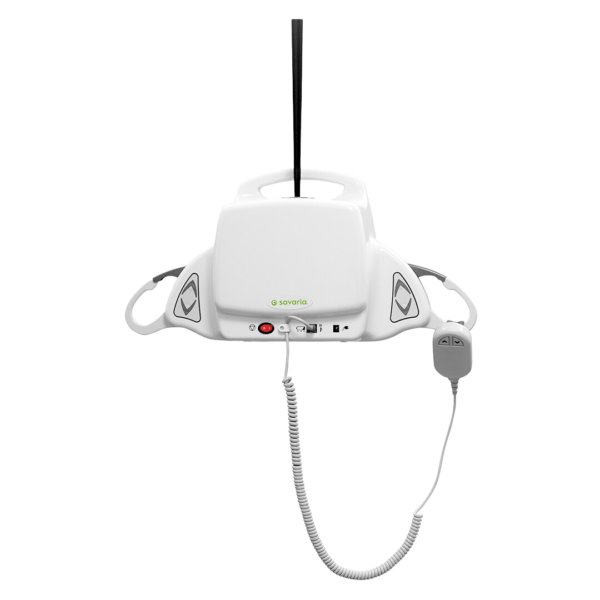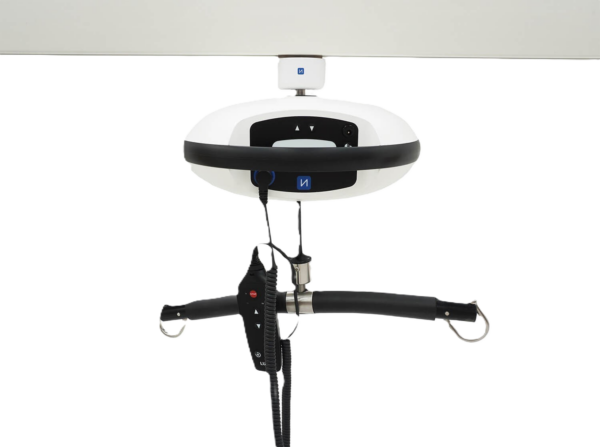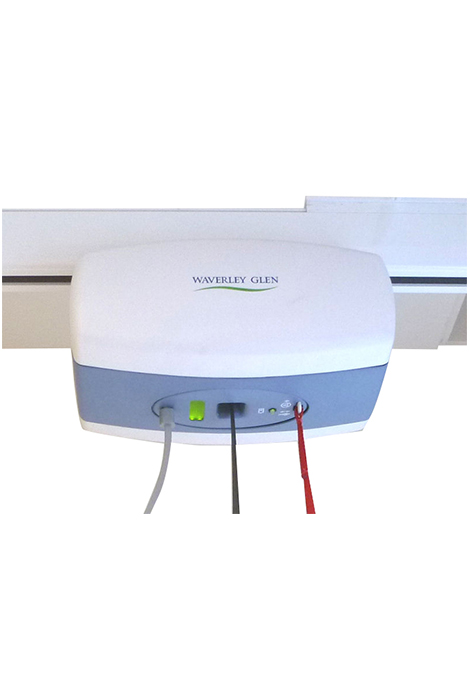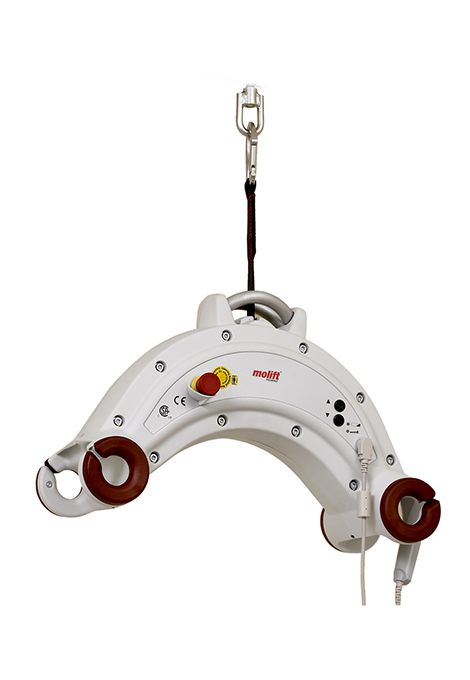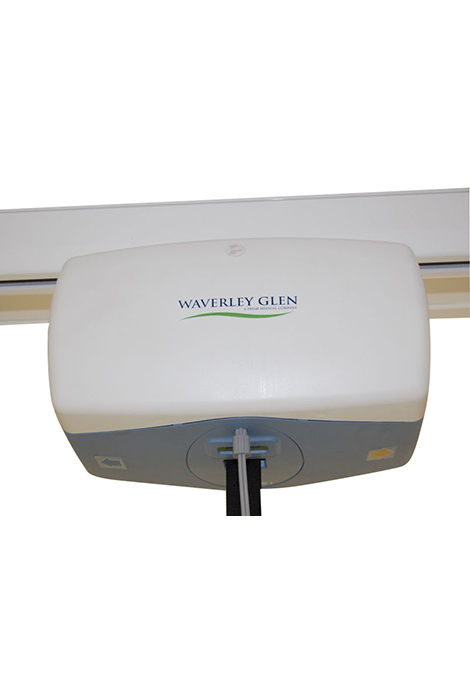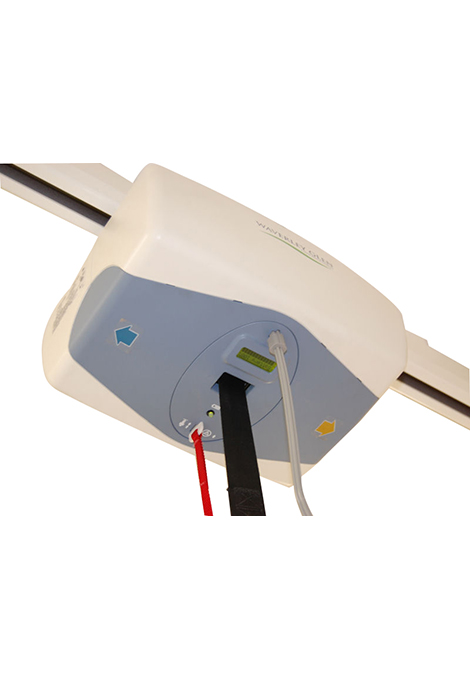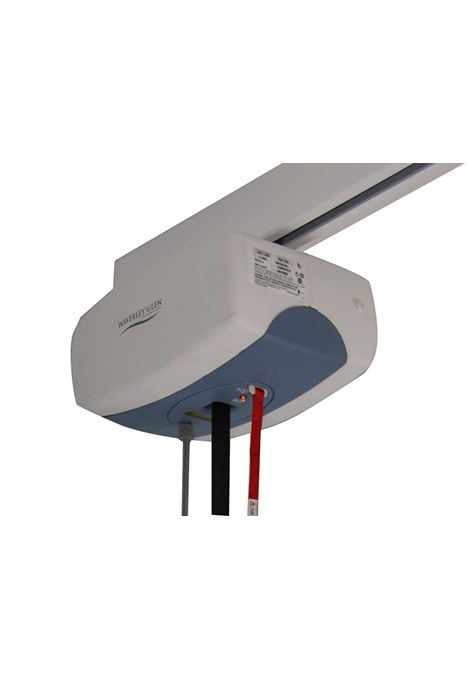

A ceiling hoist is a patient lifting system designed to assist with transfers by moving a person using a motorised lifting unit connected to an overhead track system. Unlike traditional mobile floor hoists that require space around the user and equipment movement across the floor, ceiling hoists operate along a fixed or portable overhead track.
A ceiling hoist system typically includes a lifting motor, compatible sling and ceiling track that allows controlled movement between transfer points. These systems are commonly used where space efficiency, regular transfers and supported mobility are important considerations.
Ceiling hoists may be suitable for a range of environments including residential care settings, hospitals, rehabilitation facilities, disability services and private homes where appropriate assessment and installation requirements are met.
A ceiling hoist system works by combining several components that work together to support patient transfers.
The main components include:
The hoist motor provides the lifting mechanism and allows the user to be raised and lowered using a controlled operation. Different models may offer different features, lifting capacities and movement options depending on the intended application.
The ceiling track provides the pathway along which the hoist moves. Track layouts can be designed around the room environment and transfer requirements.
Common configurations include:
A suitable sling works with the hoist motor to support the person during transfers. Sling selection depends on individual requirements and should be determined with appropriate professional guidance.
Ceiling hoists can provide additional support for people who have difficulty completing transfers independently. They are commonly considered in environments where regular assisted transfers are required.
Applications may include:
A ceiling hoist for disabled people may help support transfers between areas such as beds, chairs and other locations when used as part of an appropriate care plan.
Choosing the correct lifting solution depends on factors including the person’s requirements, room layout, transfer distance and equipment compatibility.
Active Rehab offers a range of ceiling hoists and patient lifting equipment for Australian customers looking for reliable transfer solutions.
Our range includes ceiling lifting systems from established healthcare equipment manufacturers, with options designed for different environments and mobility requirements.
If you are unsure which ceiling hoist system is suitable, our team can help you understand the available options and identify equipment that matches your requirements.
A ceiling hoist track system is the rail structure that allows the hoist motor to move between transfer locations. Track options can include straight tracks, curved tracks, traverse systems and room-covering configurations depending on the available space and intended use.
Yes, ceiling hoists can be used in some home care environments where the space, ceiling structure and transfer requirements are suitable. The correct system depends on the room layout, installation requirements and user's needs.
A ceiling hoist operates using an overhead track system, while a floor hoist is a mobile device that moves across the floor. Ceiling hoists may be preferred in environments where regular transfers occur and overhead movement is suitable.