

Top 2 Paediatric Wheelchairs for Active Young Users

When supporting children who are constantly on the move, choosing the right wheelchair is essential. Active paediatric users need equipment that keeps up with their energy, adapts to their daily environments, and offers long-term comfort, safety, and independence.
Below are two of the best paediatric manual wheelchairs designed specifically for active users — selected for their durability, adjustability, and performance.

The Rogue XP is purpose-built for young users who want freedom, speed and responsive handling. Its ultra-lightweight rigid frame supports efficient self-propulsion and can be adjusted as the child grows.
Key Features
- Ultra-light rigid frame ideal for active, self-propelling users
- Growth-adjustable seat width and depth — so the chair can adapt as the child grows
- Responsive, stable ride — good for quick manoeuvring at school, play or outings
Why It’s Great for Active Kids
Perfect for children navigating school, sport and community environments — its lightweight build makes pushing easier and reduces fatigue, while the adjustability means it can keep up with growth over time.
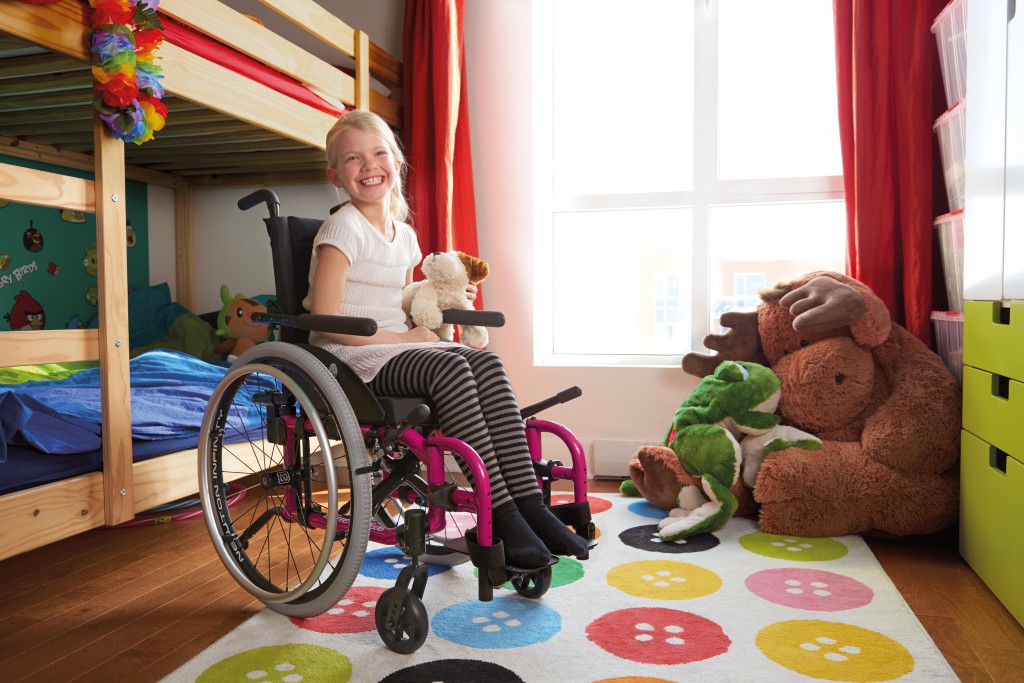
The HELIO Kids is one of the lightest paediatric manual wheelchairs on the market, using high-performance carbon fibre to deliver strength, durability, and superb propulsion efficiency.
Key Features
- Carbon-fibre frame for exceptional lightness without sacrificing strength or stability
- Adjustable seat depth and footplate height, allowing the chair to grow with the child
- Efficient propulsion system — designed to minimise energy required, ideal for self-propelling kids
Why It’s Great for Active Kids
Because it’s so light, it’s easier for a child to manoeuvre themselves and navigate different environments — whether school, home, playground or community — without expending excessive energy. The growth adjustability makes it a good long-term choice.
Choosing the Right Paediatric Wheelchair
Selecting the right wheelchair always depends on the child’s individual needs. Factors to consider include:
-
The child’s mobility level and whether they self-propel.
-
Seating and postural requirements.
-
Growth — kids grow fast, so adjustable seat width/depth or growth systems are a big plus.
-
Daily environments (school, home, community, transport) and how easily the chair fits those settings.
-
The child’s energy level and ability to propel — lighter wheelchairs or efficient manual chairs reduce fatigue.
It’s always recommended to trial a wheelchair — preferably under guidance of a therapist or assistive-technology specialist — to ensure the best fit and function for the child’s lifestyle.
Disclaimer
These wheelchairs are general suggestions based on features suited to active young users. Every child has unique clinical, postural and functional needs. A personalised assessment and trial with a qualified therapist or assistive-technology provider is essential before selecting any wheelchair.

Rogue XP