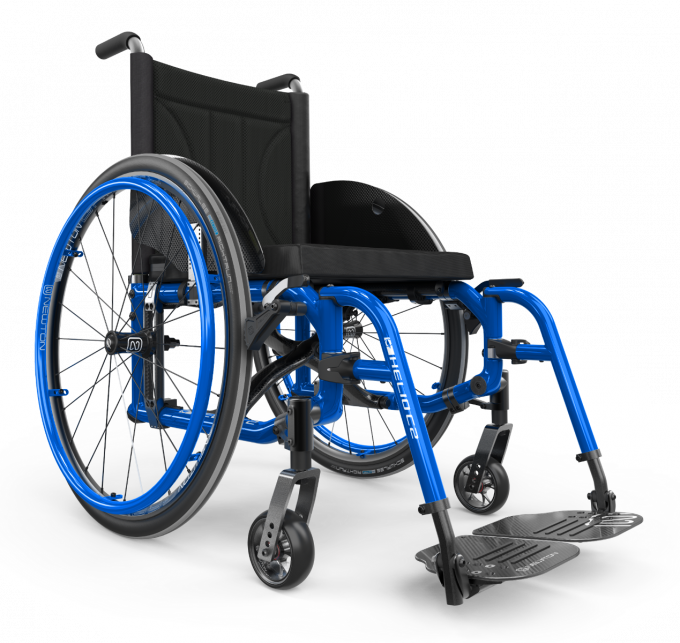

Carbon Fibre vs Aluminium Wheelchair Frames: Which is Right for You?

Carbon Fibre vs Aluminium Wheelchair Frames: Which is Right for You?
When choosing a wheelchair, the frame material plays a major role in comfort, performance, and durability. Two of the most popular options today are aluminium and carbon fibre. While both offer lightweight designs compared to traditional steel, they bring very different qualities to the table. Understanding how they compare can help you make a decision that aligns with your lifestyle and mobility needs.
Weight and Energy Efficiency
Aluminium has long been the go-to for ultralight manual wheelchairs. It’s strong, relatively inexpensive, and easy to work with, which makes it accessible to a wide range of users. However, carbon fibre takes lightness a step further. Known for its exceptional strength-to-weight ratio, it not only reduces overall chair weight but also improves propulsion efficiency. Less energy lost in each push means smoother movement and reduced strain over time. For someone who spends many hours each day in their chair, that difference can add up quickly.
Ride Quality and Comfort
Another key difference lies in how the materials handle vibrations. Aluminium frames tend to transmit road shocks and surface bumps directly to the user, which can be uncomfortable on longer outings or rough terrain. Carbon fibre, on the other hand, naturally dampens vibrations. Its ability to absorb energy creates a smoother ride, often reducing fatigue in the back and legs. For active users, this can significantly enhance day-to-day comfort and lessen the physical toll of pushing over uneven ground.
Durability and Longevity
Both materials are built to last, but they wear differently over time. Aluminium is resistant to rust and generally very durable, yet the constant stress at joints and screws can lead to gradual wear. Carbon fibre resists fatigue exceptionally well and retains its structural integrity for longer. However, it does have an Achilles heel: while aluminium tends to bend under heavy impact, carbon fibre may crack if subjected to extreme force. For users who expect their wheelchair to handle a few bumps and knocks, this is worth considering.
Living With the Frame Day to Day
Temperature can also influence comfort. Aluminium conducts heat and cold, which means a chair frame can feel freezing in winter or uncomfortably hot in summer. It also expands and contracts slightly with temperature changes. Carbon fibre, in contrast, is stable across a wide range of conditions. It doesn’t conduct temperature extremes and maintains its shape, which can be a small but noticeable comfort benefit in everyday use.
Visually, the two materials have very different personalities. Aluminium offers flexibility in terms of finishes and colours, giving users the ability to customise. Carbon fibre, with its distinctive weave pattern, delivers a modern, high-performance look that many users find appealing.
Balancing Cost and Value
Of course, cost is one of the biggest deciding factors. Aluminium frames are more affordable, and because they are widely used, they’re more likely to be covered by funding programs. Carbon fibre frames, by contrast, are considerably more expensive due to the complexity of their manufacturing process. While the investment may pay off in terms of performance, comfort, and long-term durability, it can be a barrier for some users.
Making the Choice
There’s no single “better” option between carbon fibre and aluminium. Instead, the right choice depends on your priorities. If affordability, rugged durability, and easy availability are your main concerns, aluminium remains a tried-and-true material. If you value cutting-edge technology, a smoother ride, and the lightest possible frame—and you’re willing to invest more—carbon fibre may be the perfect fit.
The best way to know for sure is to trial both options in your everyday environments. After all, a wheelchair isn’t just equipment—it’s part of your lifestyle. Finding the right frame material can make a world of difference in how you move through your day.
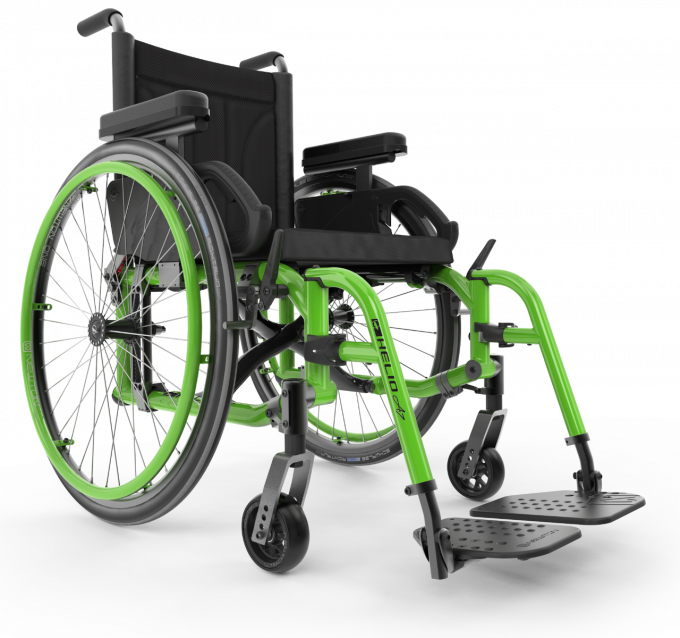
Motion Composites Helio A7