

What is 24-Hour Positioning and Why is it Important?

What is 24-Hour Positioning and Why is it Important?
For people with complex physical needs, posture and body support aren’t just important during the day — they matter around the clock. This is where 24-hour positioning comes in. It’s a proactive approach to care that focuses on maintaining healthy body alignment, comfort, and function throughout the entire day and night.
What is 24-Hour Positioning?
24-hour positioning is the practice of supporting a person’s posture across all parts of their daily routine. It takes into account:
- Daytime seating – in wheelchairs, postural chairs, or activity chairs
- Night-time lying – in bed or with specialised sleep systems
- Transitional positions – such as supported standing, resting, or play
The goal is consistency. Instead of treating each setting in isolation, 24-hour positioning links them together into one continuous plan that keeps the body supported, balanced, and comfortable.
Why is it Important?
Without the right support, gravity and muscle tone can gradually pull the body into asymmetrical or uncomfortable positions. Over time this may lead to health issues such as contractures, spinal curvature, or hip displacement. 24-hour positioning works to reduce these risks and offers a number of key benefits:
1. Protects Body Shape
By maintaining symmetry and alignment, 24-hour positioning helps prevent or slow the development of postural deformities like scoliosis or hip problems.
2. Improves Comfort and Reduces Pain
Consistent support lessens strain on muscles and joints, reduces spasms, and makes both rest and activity more comfortable.
3. Enhances Sleep Quality
Good positioning at night helps with longer, deeper, and more restful sleep, which in turn boosts energy, mood, and engagement during the day.
4. Reduces Risk of Pressure Injuries
Proper support redistributes pressure across the body, protecting skin integrity and lowering the likelihood of pressure sores.
5. Supports Function and Independence
When posture is well-managed, people often experience less stiffness and fatigue, giving them more freedom to participate in daily activities and therapy.
How is 24-Hour Positioning Achieved?
Successful 24-hour positioning usually involves:
- Customised supports that are tailored to the individual’s body and needs
- Consistent routines so that support is provided in every setting, day and night
- Caregiver training to ensure systems are used correctly and comfortably
- Early intervention where possible, especially for children, to protect body shape as they grow
The Bigger Picture
24-hour positioning isn’t about restricting movement — it’s about providing comfort, safety, and opportunities for better health outcomes. By viewing posture as a 24-hour responsibility, families, caregivers, and clinicians can work together to ensure individuals are supported in every environment, every day.
The result? Better comfort, improved wellbeing, and greater potential for independence and participation in life.

Night Time Assessment form
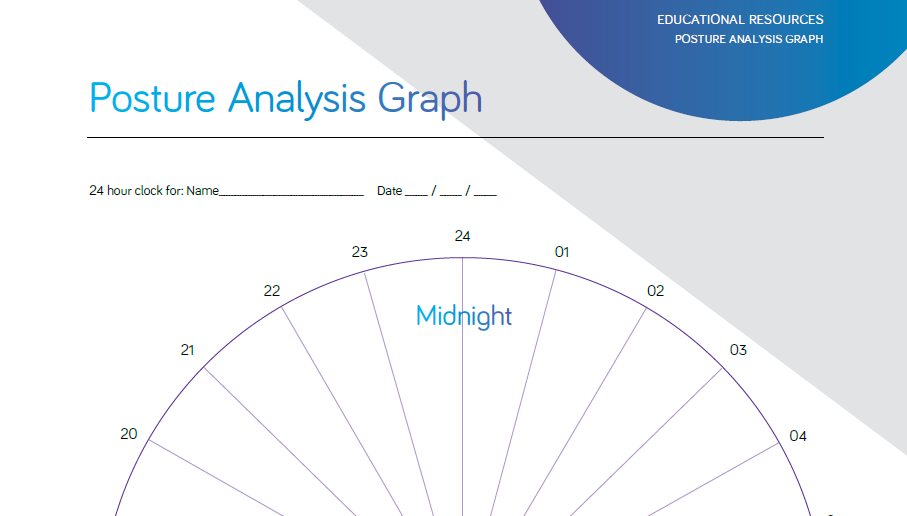
Posture Annalysis Graph
