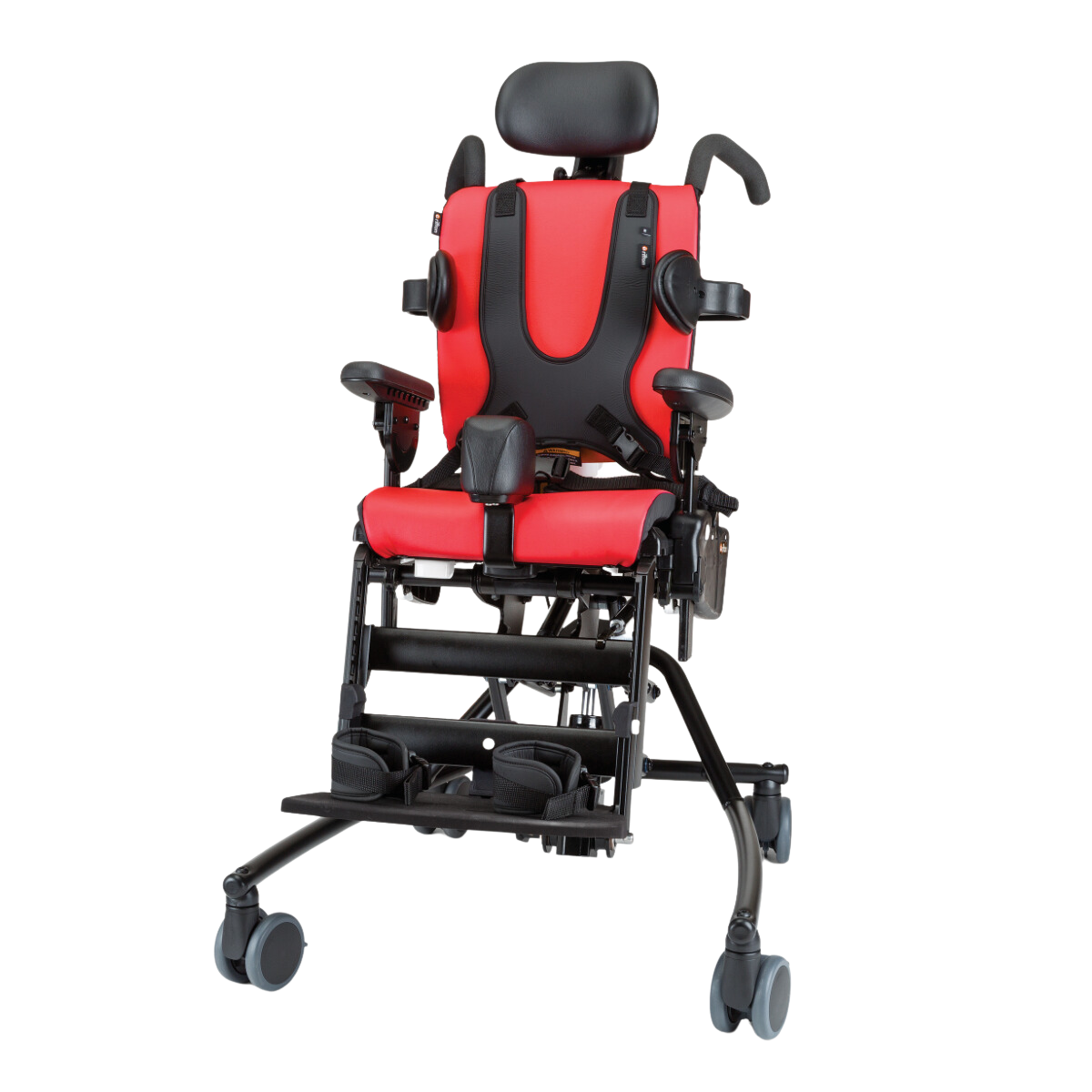

Comfort vs Postural Chairs: What’s the Difference?

People often group all “special‐chairs” together, but there are important differences between chairs designed for comfort/pressure care, and those designed for postural support, therapeutic positioning, or correction. Understanding these differences helps in choosing the right chair for the right person and purpose.
What are Comfort Chairs?
Comfort chairs are seating systems whose primary purposes are:
- To reduce risk of pressure injury (ulcers etc.) via pressure relief, good padding, support surfaces, and tilt/recline features.
- To allow people who sit for long periods to do so without discomfort, skin breakdown, shear, or fatigue.
- To support mobility to the extent needed, e.g. helping people stand or sit (rise/recline, lift chair features).
They may include some postural features (e.g. back height, armrests) but don’t usually have full modular positioning for pelvis, trunk, head, nor extensive options for correcting alignment, tone, etc.
What are Postural Chairs?
Postural chairs are more specialised. They are designed not just for comfort, but also for therapeutic alignment, supporting posture, and facilitating function (e.g. sitting upright, reaching, feeding, speech etc.). Key aspects include:
- Pelvic stability (e.g. abductor/adductor supports, pommels, belts)
- Modular lateral & trunk supports, head rests, adjustable back/seat angles, etc.
- Ability to accommodate or correct postural asymmetries (e.g. scoliosis, kyphosis, asymmetric tone).
- Often they allow more precise adjustment of seat depth, width, angle, tilt, etc., sometimes tool-free or “while user is seated”.
- Accessories: trays, harnesses, footplates, removable arms, etc.
Postural chairs can be freestanding, desk/activity type, or be built into mobility/wheelchair systems.
Examples & How They Sit on the Spectrum
Below are your examples, where they are on the continuum from “comfort” → “postural”, and what features tilt them one way or the other.
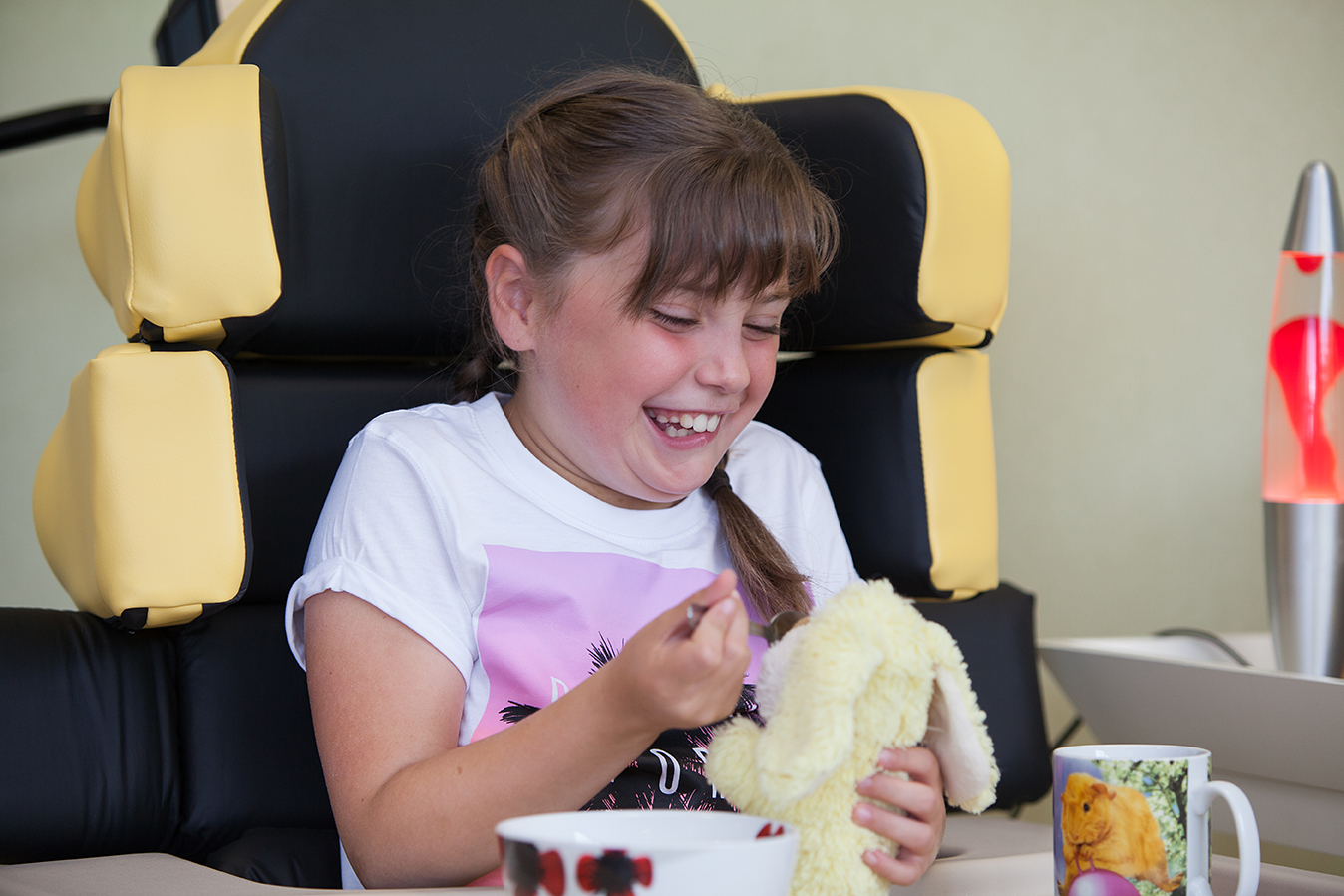
Smart Seat Pro II
- The SmartSeatPro / SmartSeatPro II is clearly in the postural + pressure care category.
- It has multi-adjustable back & head system allowing configurability of back sections, modifiable filling, etc.
- Tilt-in-Space + Back Angle Recline + adjustability in seat width, depth, armrest height, etc.
- Also pressure care features (pressure relief cushions, materials, etc.).
→ So SmartSeat is firmly on the “postural chair” side, though with strong comfort/pressure care built in.
Configura Chairs (Comfort Recliners, Advance, etc.)
Here there is more of a gradient depending on which Configura model:
- Configura Comfort Recliner/Lift Chair is more of a comfort/pressure care chair, with features like rise & recline, reduced shear, tilt in space, adjustable seat depth/leg rest length, pressure reducing fabrics etc. It supports mild to moderate postural requirements.
- Configura Advance moves further toward postural support and more complex seating needs. It has more adjustability, options for lateral supports, more tilt-range, more configurable dimensions, etc. For people with higher dependency or more complex postural/pressure needs.
Thus Configura’s range spans from comfort / pressure relief toward more postural support.
Rifton Activity Chair
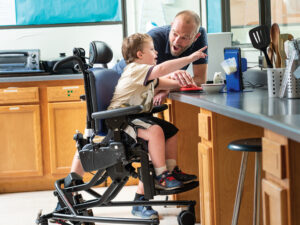
- The Rifton Activity Chair is clearly more of a postural / adaptive seating chair. It’s designed not just for comfort but for seating with positioning, for children and adults needing support to participate (feeding, therapy, learning), not just sitting.
- Key features: tilt-in-space, adjustable backrest incline, tool-free adjustments while user is in chair, wide range of accessories (laterals, headrests, trays, harnesses), options for Hi-Lo bases etc.
- It supports growth, adjusts to different body sizes, and is intended for people with sensory challenges or other special needs.
So Rifton is a postural/adaptive seating solution.
Key Features / Considerations in Choosing Between Comfort vs Postural
When deciding whether a chair needs to be purely comfort, or postural, or somewhere in between, these are relevant:
Assessment of user’s needs
- How much postural asymmetry?
- Tone, contractures?
- How much active control does the person have of trunk, head, pelvis?
- Risk of pressure injury?
Adjustability
- Can you adjust seat width, depth, height, back angle, headrest, feet, arms etc, either now or in future?
- Tool-free or easy adjustments are helpful.
Support / accessories
- Lateral trunk support, headrest, harnesses etc.
- Footplates / leg rests.
- Trays, harnesses etc if needed.
Comfort & Pressure Care
- Foams, pressure redistribution surfaces, reduced shear recline, tilt-in-space etc.
Function / Participation
- Will the person use the chair for functional tasks (eating, learning, reaching)? If yes, positioning to support that is needed.
- Does the chair allow participation?
Ease of use for carers & safety
- Transfer-friendly, rise/lift functions, removable arms, cleanable fabrics etc.
Adaptability / Growth
- If the person is growing, or condition may change, selecting a chair that can adjust fairly well is helpful.
Example: Where Chairs Sit
It may help to think of a spectrum or sliding scale. Here are approximate placements:
- Pure comfort chairs: recliners, rise & recline/ lift chairs with pressure care, minimal postural supports (or only mild). Example: basic Configura Comfort Recliner for someone who mainly needs relief from pressure, easier transfers, limited need for head/trunk support.
- Comfort + mild postural support: Configura Comfort, Configura with lateral backs or pillow backs, some tilt-in-space etc.
- Mixed / postural / adaptive seating: SmartSeatPro, Rifton Activity Chair, specialist postural chairs. These are able to handle more complex needs, more support, alignment, etc.
Why the Distinction Matters
- Using a comfort chair when postural support is needed can lead to poor posture, risk of secondary issues (e.g. discomfort, skin breakdown, development of contractures), reduced participation (if the person can’t sit upright).
- Using a full postural chair when not necessary may increase cost, complexity, maintenance, possibly less aesthetics, possibly more adjustments than needed.
- From funding and prescription perspective, it’s easier to justify (to funders / clinicians) a postural chair when there is a documented need; likewise choosing something more comfortable and simpler when comfort is the priority.
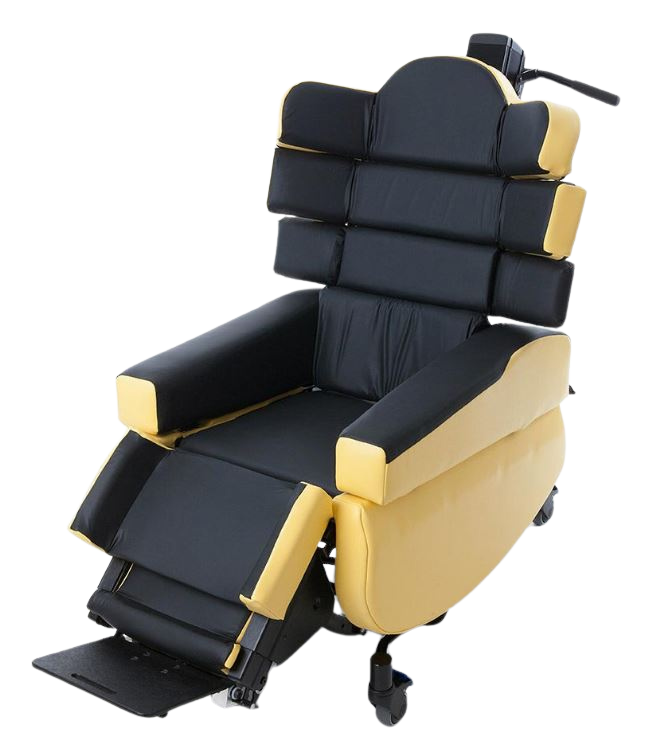
Smartseat Pro

Configura Advance Recliner